
Key takeaways
- The first step in how to clean gutter downspouts is gathering your tools. A sturdy ladder, garden hose, bucket, plumber’s snake, and gloves are all you need!
- Prioritize safety. Set up the ladder on flat ground, wear non-slip shoes, and don’t stretch too far.
- Clean your gutters and downspouts regularly, especially after storms or during fall. This prevents clogs and avoids water damage.
Clogged downspouts are more than just an annoying eyesore. When water can’t flow, it can flood your yard, leak into your basement, or even damage your home’s foundation.
Sounds fun? Didn’t think so.
If you’ve noticed water pooling near your house or gutters spilling over, it’s time to clear those downspouts.
It might seem like a chore, but it’s easier than you think. With the right tools and 7 quick steps, you’ll have everything flowing smoothly in no time.
How to clean gutter downspouts
Step #1 — gather your tools before you start

Let’s be honest: you don’t want to be halfway through the job and realize you’re missing something you need.
Get your tools together first, and things will go much smoother.
Here’s what you’ll need:
- A sturdy ladder – Make sure it’s tall enough to reach the gutters without you needing to perform any balancing acts.
- Garden hose – If you’ve got a spray nozzle, grab that, too. It helps for better control.
- Bucket or tarp – To catch the mess and keep cleanup simple.
- Plumber’s snake – If you don’t have one, don’t stress — a long stick will also work. This will help you clear the clogs that won’t budge.
- Work gloves – Because you definitely don’t want to touch that sludge with bare hands.
Each of these tools has a purpose.
The ladder gets you up there, the hose blasts the dirt, and the snake clears the tough stuff.
The gloves? They’re your best friend here. Trust us.
Step #2 — safely set up your ladder and workspace
Cleaning gutters isn’t worth a hospital visit. Unfortunately, that’s how it goes for far too many people.
According to research, over 160,000 ladder-related injuries happen each year, many of them while doing basic home maintenance like gutter cleaning.
To avoid this, set your ladder on flat, solid ground. If the ground’s uneven, find a better spot.
Even better, have someone hold the ladder steady while you’re up there.
Also, wear non-slip shoes. The last thing you need is to be slipping around while balancing on a ladder.
If your downspouts are too high or hard to reach, call a pro. No shame in keeping it safe.
Lastly, don’t overreach.
Move the ladder instead of stretching or leaning too far. That’s how most accidents happen.
Step #3 — check the condition of your gutters

Once you’re up on the ladder, take a good look at your gutters.
Cleaning is one thing. But if your gutters are damaged, no amount of scrubbing will bring them back to life.
Here’s what to check for:
- Cracks or splits – Even small ones can grow and cause leaks. If you see any, it might be time for new gutters.
- Rust or corrosion – This is a sign your gutters are wearing out and won’t last much longer.
- Sagging or pulling away from the house – Gutters should sit snugly against your roofline. If they’re sagging or drooping, they might not drain properly and could be close to breaking.
- Standing water – If water is sitting in your gutters even after cleaning, there’s likely a problem with how they’re sloped — which isn’t something you can ignore.
- Peeling paint or water damage on your siding – Gutters that aren’t doing their job can cause water to run down your walls, damaging your home’s siding.
If you spot any of these warning signs, cleaning won’t be enough.
You may need to repair or replace the gutters to prevent bigger issues down the road.
Better to catch it now than deal with water damage later.
Step #4 — remove large debris from the gutters
Start by clearing out any visible junk from the gutters.
Leaves, sticks, dirt — this stuff piles up near the downspout. Use your hands or a small scoop to get rid of the bigger debris.
Toss it into your bucket or onto a tarp below to keep things neat. No one wants a mess all over the yard.
Once the big stuff is out of the way, you’re ready to flush the downspout. This clears the path for water to flow smoothly.
Step #5 — flush out the downspouts with water
Now it’s time to get the water moving.
Grab your garden hose or pressure washer and aim the nozzle into the top of the downspout. Start with a gentle spray so you don’t damage the gutters. Then, slowly increase the intensity to flush out dirt and smaller debris.
If water comes out the bottom with no issues, great — you’re good to go.
If not, there’s probably a clog deeper down.
Take your plumber’s snake (or your long stick) and feed it into the downspout. Wiggle it around to loosen the blockage.
Then, keep flushing with the hose until the water runs clear.
Step #6 — check for any stubborn blockages and fix them
Still having trouble after flushing? It happens. Some clogs are just tougher — but they’re not impossible to clear.
Feed the plumber’s snake into the bottom of the downspout this time.
Twist and push it around to break up the blockage. Sometimes debris gets packed in tight, or you might even find that a small pest made a home there.
If you’ve tried everything and the clog still won’t budge, it’s probably time to call a pro.
They’ve got the tools for those stubborn blockages. But don’t worry, you’ve done most of the hard work already.
Step #7 — don’t forget to check in
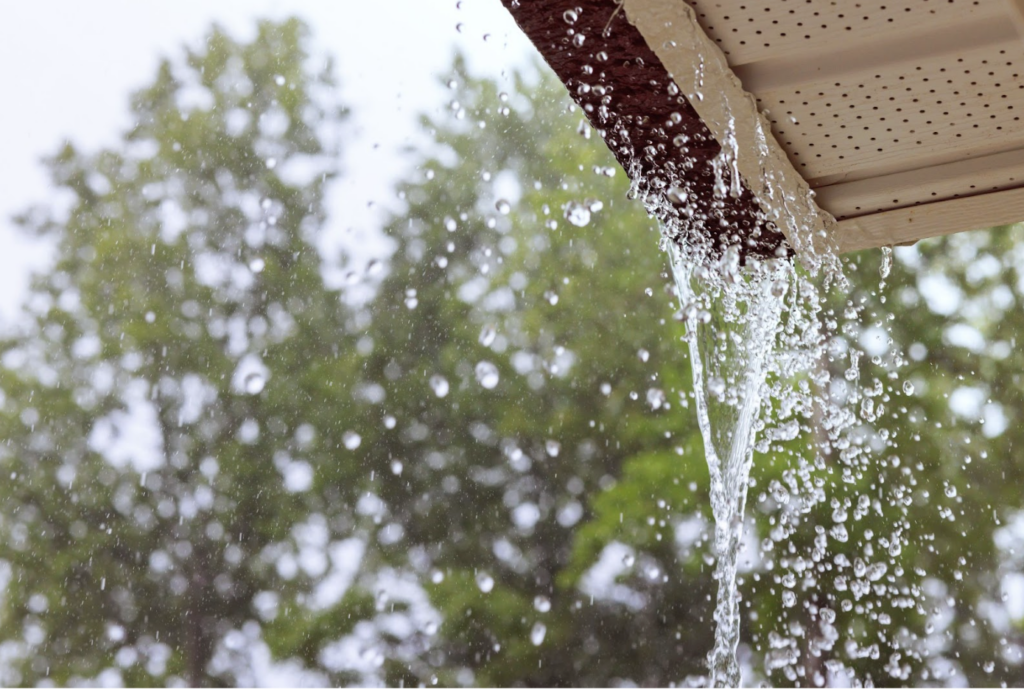
Congratulations, your gutters are clean. But remember: this isn’t a one-and-done job.
Regular maintenance is needed to keeping your gutter downspouts working well.
Make it a habit to check them a few times a year, especially after heavy storms or during the fall when leaves pile up.
In areas that get a lot of precipitation — like Illinois, where the rainfall produces over 40 flash floods annually — regular gutter maintenance is even more important to prevent water damage.
Bonus tips to keep downspouts clear in the future
Prevention beats cleaning any day.
Here are a few tips to keep your downspouts clear all year round:
- Install gutter guards – These block large debris (like leaves and branches) from ever getting into your gutters. Experts say that gutter guards can reduce the need for frequent cleanings by blocking up to 80% of debris from entering your gutters.
- Clean your gutters twice a year – Spring and fall are the best times since that’s when debris builds up the most.
- Trim nearby trees – Fewer overhanging branches mean fewer leaves and twigs clogging your downspouts.
Stay on top of these, and you’ll spend way less time dealing with clogs. A little effort now saves big headaches later.
Extra safety tricks to keep in mind
Remember: spotless gutters aren’t worth risking your safety.
Before you start climbing that ladder, keep these extra tips in mind to stay secure:
- Avoid bad weather – Don’t work on the roof or gutters when it’s wet. Slippery surfaces are a disaster waiting to happen.
- Have someone nearby – It’s always good to have a backup in case something goes wrong.
- Don’t lean too far – As we said before, this is how most accidents happen. Move the ladder instead of stretching.
Taking a few extra precautions can make the job safer and less stressful. Don’t rush, and always stayyour safety.
Keep your gutter-cleaning simple and stress-free
Cleaning your downspouts doesn’t need to be a hassle.
With the right tools, a little prep, and regular upkeep, you can keep them flowing and avoid bigger headaches like water damage.
It’s a small task that makes a big difference for your home.
Set a reminder to clean your downspouts twice a year, and you’ll thank yourself later.