
Key takeaways
- Windows can last anywhere from 10 to 80 years, but it all depends on material, weather, usage, and how well you take care of them.
- Fiberglass lasts the longest (up to 80 years), while regular vinyl bottoms out at 10–20 years—sun, storms, and bad installs will ruin any of them faster.
- Drafts, foggy glass, rising energy bills, and frames falling apart are all signs it’s time to start window shopping.
Windows can last between 10 and 80 years.
This is because a window’s lifespan is entirely dependent upon the material, climate, installation technique, usage, thermal efficiency, and maintenance routine.
But windows can last anywhere within that range, and the lifespan of windows will vary greatly if you have old windows or inefficient windows that haven’t been properly cared for.
In this article, you will learn about how long do windows last depending on what type of window, signs of damage, as well as, your cues to consider window repair or replacement. You’ll also know when it’s time to replace your home’s windows and what steps to take next.
How many years do windows last?
How long do windows last? About 10-80 years. In addition to the material, the following factors significantly affect the lifespan of your windows:
- Climate — Extreme heat or cold, frequent changes between the two, hurricanes, hailstorms, snow, rain, salt, and sun exposure all contribute to wear and tear on the windows in your home depending on the region you live in. These conditions affect how long your windows typically last and can mean you may need to replace your windows sooner.
- Usage — The more you use them, the faster they wear out from the daily function. After years and years of opening and closing, it’s more likely that parts may break or warp, and eventually, the window will need to be replaced. This applies if have single-pane windows or older windows that were not built to modern standards.
- Installation technique — Windows are designed to last for years, but installing them incorrectly can cause drafts, broken seals, humidity issues, and overall poor performance. Improper installation dramatically shortens the life of your windows and increases the likelihood that windows need to be replaced sooner rather than later.
- Thermal efficiency: A window’s U-value is a measure of its thermal efficiency. The higher a U-value is, the more heat the window will lose during cold times of the year. This heat loss increases energy bills and the build-up of condensation. Over time, an increase in condensation will lead to the need for a window replacement. Energy-efficient windows last longer, reduce heating and cooling costs, and are environmentally friendly. Also, modern double-pane windows or double or triple-pane windows with low-E coatings help keep your home more comfortable and can last for decades if maintained well.
- Maintenance — Following the proper maintenance protocol (like cleaning your windows regularly) for the type of window you have is essential to extending its lifespan. Each will have its own unique needs based on the material it’s made from. Skipping upkeep will cut years off the lifespan of your windows. Overlooking routine maintenance means it may be time to replace them sooner than expected.
Vinyl Window Lifespan

How long should vinyl windows last? Well, it depends. If you consistently maintain your windows, it will last.
Regular vinyl windows have a lifespan of about 10-20 years. Premium vinyl windows range more in the realm of 30 to 40 years. With proper care, vinyl window frames can last for decades before you need to replace them.
Sunlight will break down the vinyl material and degrade the efficacy of your windows at a faster rate. Living in an area that fluctuates between extreme heat and cold during the year will also reduce their lifespan.
Wood Window Lifespan
Wooden home windows last decades, anywhere from 30 to 60 years
The key determining factor of how long your windows last is the level of maintenance you put into them. Windows may deteriorate if you neglect regular cleaning, sealing, and minor repairs, which can make your home less comfortable over time.
It’s important that you clean and inspect wood frame windows once every six months for cracking, moisture, weatherstripping damage, peeling finish or paint, and loose caulking.
Knowing when to replace or repair your wood windows can also help you avoid higher energy bills, drafts, and potential damage to your home.
Double-Pane Window Lifespan
Double-pane windows typically last 10–20 years, but on average, they hold up for around 10 to 20 years. Climates that bounce back and forth between heat and cold reduce life expectancy.
A frequent change in temperature causes the air between the panes to expand and contract. This movement breaks down the seal letting moisture get between the glass and fog up your windows.
This moisture creates fog and makes it difficult to see out of the glass. The only way to correct this is by replacing the glass pane or the window in its entirety.
Fiberglass Window Lifespan
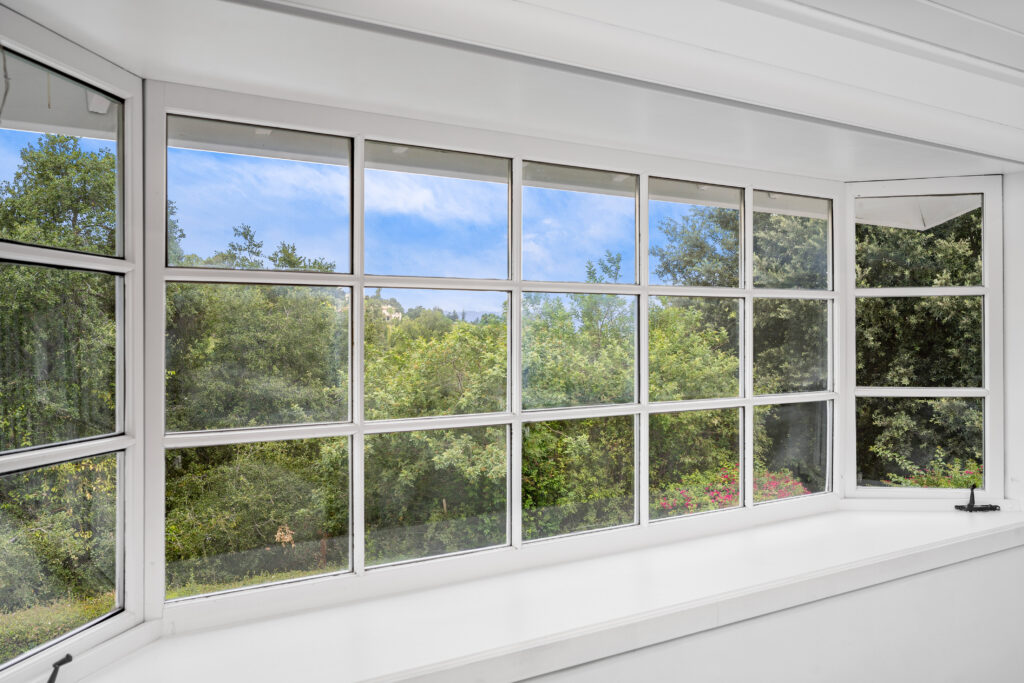
Fiberglass windows can last a long time, delivering a whopping 50-80 years on average to homeowners. There are also modern windows with low-emissivity coatings, helping with energy efficiency.
Fiberglass is the most durable against the elements impervious to moisture, warping, and cracking. It also needs minimal upkeep, meaning you spend less time worrying about how long your windows last and more time enjoying the comfort they provide.
When choosing replacement windows, fiberglass is a prime option because it can help with long-term energy savings and overall home protection.
Aluminum Window Lifespan
Anywhere from 20 to 40 years.
Weather can damage aluminum. So if hurricanes and hailstorms frequent your home, your windows are going to have a shorter lifespan.
Aluminum is not the best when it comes to insulating your home. So it might make your home warmer in summer or cooler in winter, which can increase energy bills.
Over time, prolonged exposure to moisture can also lead to rust, further compromising the frames. If you notice signs that your windows need replacing, such as corrosion or drafts, it could be time to replace windows with a more energy-efficient material.
Signs That It’s Time To Replace Your Windows
No matter the material, there are signs it’s time to replace your windows. Factors like high energy bills, drafts, loud outdoor noise, foggy glass, visible damage, or difficulty operating all point to knowing when to replace.
When should windows be replaced? Look for these specific indicators by material.
Signs Of Old Vinyl Windows
- Rising Energy Bills
- Pockets of cold air in home or near windows
- Bad insulation
- Can hear everything from outside
- Hard to open and close
Signs Of Old Wood Windows
- Rising energy bills
- Warped frames
- Wood root
- Termite infestation
Signs Of Old Double-Pane Windows
- Foggy windows
- Outside of windows looking shabby
- Water leakage
Signs Of Old Fiberglass Windows
Luckily, it is very rare that you will need to worry about replacing fiberglass. It is a modern window after all. However, there are some signs.
- Cold drafts
- Really high energy bills
Signs Of Old Aluminum Windows
- If the weatherstripping around your aluminum windows is cracked or damaged or there is moisture between your panes.
- Water leaks
Frequently asked questions about making windows last
What is the weight of an average vinyl bay window?
The average weight of a vinyl bay window is about 500lbs. Installing new windows, especially vinyl, can be a budget-friendly choice if you’re selling your home. They offer good energy efficiency and longevity without the higher price tag of other materials.
Are windows with black frames less energy efficient than lighter colors?
No, windows with black frames have the same energy efficiency as window frames with lighter colors. Whether you choose black or white windows for new installations, the color has minimal impact on your utility costs. The real key to efficiency is the window’s overall insulating properties.
What type of window is most energy-efficient?
Casement windows and picture windows are considered the most energy-efficient options due to their unique designs. Casement windows seal tightly when closed, preventing drafts, while picture windows are fixed and do not open, providing excellent insulation by eliminating potential air leaks. Both styles can make your home more comfortable and offer superior energy savings by helping to maintain consistent indoor temperatures, reducing heating and cooling costs.
What is the average cost to replace windows?
The average cost to replace windows depends on the style, size, material, and replacement location. The average to replace one window is around $800. However, projects with multiple windows can range from $1,200 to $30,000. The price for a window replacement service may also vary if you opt for newer windows with special features like modern windows with low-emissivity coatings.
What are replacement windows?
Replacement windows refer to brand new windows that are installed to replace either existing windows from a previous new construction or older windows that had been replaced before. These windows are designed to fit into the existing window frame without disturbing the surrounding structure, offering an updated look and improved functionality, whether they’re being swapped out due to age, damage, or energy efficiency concerns. Windows with new features like advanced glass coatings can reduce heat transfer and help stabilize indoor temperatures. Replacing your windows, especially in winter can be more convenient and cost-effective for homeowners looking to make your home more energy-efficient.