
Key takeaways
- To avoid common garage door problems, parts need to be lubricated to make sure they work properly.
- If your garage door slams shut, it’s a sign the springs are failing.
- Ignoring small issues like faulty sensors or a broken motor can lead to much more expensive fixes later.
Garage doors don’t usually get a lot of attention — until they break.
When that happens, you’re probably looking at an expensive fix.
The good news is many of these repairs can have been avoided with basic knowledge of what to look out for.
Neglecting a small problem can turn into a big one fast. That squeaky noise or slight delay when opening are clear warning signs.
Choosing to ignore them can lead to a total breakdown of your garage door.
And more often than not, the longer you wait, the more it’ll cost to fix it.
Let’s break down five common garage door problems that every homeowner is likely to encounter.
Learn how to catch these problems early and when to get help from professional garage door services before they eat into your savings.

Problem #1 – unlubricated moving parts
Your door has a lot of moving parts—rollers, tracks, garage door hinges, and springs.
All these little bits need regular lubrication to reduce friction and keep everything running smoothly.
Without it, the parts work harder than they need to. This wears them down faster than they should.
When you don’t lubricate, metal parts grind against each other. This causes wear and tear that will eventually lead to failure.
Springs might snap. Rollers can seize. Worse, your door could get stuck or stop working entirely.
And when parts fail, you’re looking at costly repairs or even a full replacement.
Skipping lubrication also makes your garage door motor work overtime. When the motor has to work harder to move a dry, grinding mechanism, it can eventually burn out.
A motor replacement costs way more than a bottle of lubricant. If a spring snaps, you’ll need garage door installation from professionals this time around.
Problem #2 – your garage door falls suddenly instead of lowering slowly
Your garage door relies on extension springs to work. These springs carry most of the weight, so the door doesn’t crush you when you open or close it.
When the springs are working, your door opens and closes smoothly.
When they fail, the door falls hard and fast.
If your door crashes down instead of lowering slowly, your springs are in bad shape. They might already be broken, or they’re about to go.
Each time the door slams shut, it puts more stress on the motor and other parts of the system. This, then, increases the risk of further damage.
Failing springs don’t just leave you with a spring replacement bill. If you keep using the door in this condition, you might also end up replacing the motor.
The falling door can bend the tracks or crack the panels, all of which are much more expensive to fix than just replacing the springs.
If you notice your garage door dropping faster than normal, stop using it. Call a professional home services company right away.
Replacing the springs is cheaper and safer than dealing with the damage they cause when they finally snap.
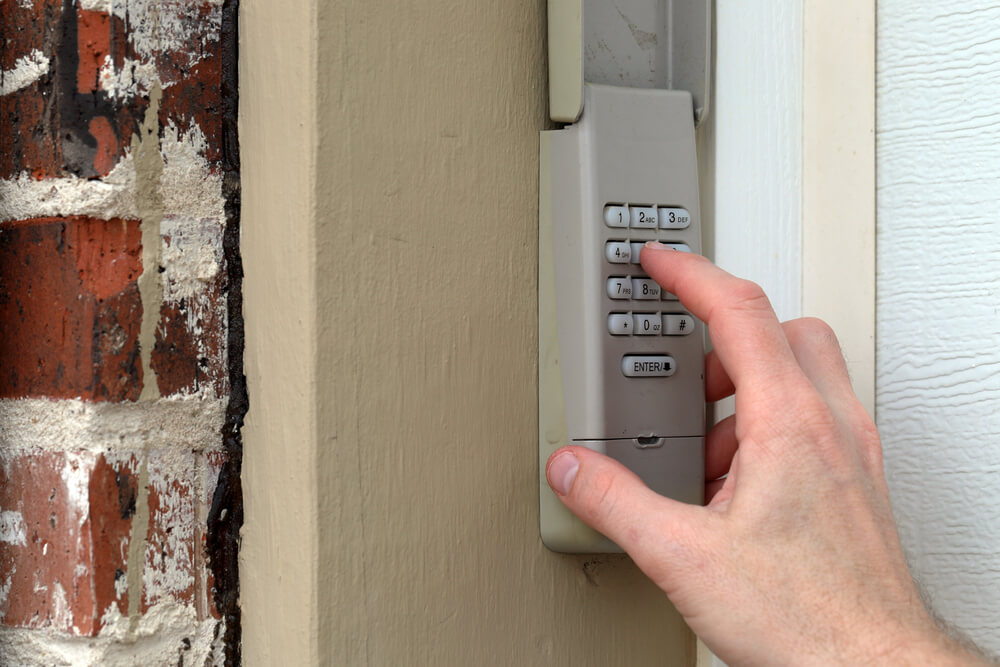
Problem #3 – the garage keypad isn’t working
A faulty garage door keypad can be annoying when you punch in the code and nothing happens. But more often than not, there’s a bigger issue hiding behind the panel.
Sometimes, it’s a simple fix, like replacing the batteries.
But other times, the problem runs deeper. You might have a problem with the wiring or the signal receiver.
In some cases, the keypad itself is outdated and no longer syncs properly with the opener.
A broken keypad can leave you locked out — or worse, stuck inside. If the malfunction is tied to the garage door system, trying to force it open repeatedly can strain the motor or damage other parts.
What starts as a minor keypad issue can snowball into a larger, more expensive repair.
Keep the keypad clean and free of dirt or debris that might block its operation.
If your keypad is getting old, consider upgrading it before it causes more serious problems. Don’t wait until it stops working completely.
Problem #4 – the motor is running but the door isn’t moving
It’s concerning when you press the garage control button, and hear the motor hum, but the door stays put.
Several things could be going wrong here.
A worn-out drive belt or chain could be to blame, or your door might be off its tracks. It could also mean the torsion springs have snapped.
And in some cases, the fix is simple: the door could be locked accidentally, stopping it from moving.
If you ignore the issue and keep using the garage door, you’re risking serious damage.
A motor that’s running but not moving the door is under constant strain. Over time, this can burn out the motor.
The motor running without door movement is a red flag. Each time you run the motor without addressing the issue, you increase the likelihood of additional damage.
What starts as a relatively easy fix can escalate into something much more expensive.
As soon as you notice the motor running without the door moving, stop using it.
Contact professional home services to diagnose and fix the problem early. You’ll save yourself from a much bigger repair bill later on.
Problem #5 – power outages confusing garage door sensors
Power outages and surges can mess with your garage door opener’s memory and settings.
The sensors, which make sure the door stays aligned and closes safely, can become misaligned. This misalignment makes the door hard to open or close properly.
If the sensors aren’t working, your garage door might close on objects, causing damage to both the door and whatever’s in its way.
Misaligned sensors can also prevent the door from closing or opening at all, leaving you stuck in or out of your garage.
Sometimes, resetting the opener or adjusting the sensors is enough to fix the problem. But if it keeps happening, you may need to replace the sensors. That’s where the costs start adding up.
After a power outage, test your garage door to ensure it’s working correctly. If the problem persists, call in a professional to have a look.
Don’t wait until it’s too late, call in the professionals
When should you bring in a professional? While it might be a good idea to do fixes for garage door problems yourself, some repairs need expert attention.
Dangerous repairs
Garage door springs are under high tension.
If you try to replace them yourself, you risk serious injury or causing more damage to the door.
The same goes for broken cables. Leave these high-risk jobs to the professionals who have the training and tools to do them safely.
Complex electrical issues
If the problem involves the motor, sensors, or keypad and requires electrical work, it’s best to let a pro handle it.
Electrical repairs can be tricky, and mistakes can lead to bigger, more expensive problems.
If you’ve tried basic fixes like changing batteries, lubricating parts, or resetting the motor with no luck, it’s time to call in an expert.
A small issue left unresolved can quickly grow into a costly repair.
Regular professional maintenance can help prevent these problems before they start. Schedule a yearly inspection to catch small issues before they turn into big headaches. It will save you a lot more in the long run.
A little care now can save you thousands later
Your garage door might not always be top on your list, but that doesn’t mean you should neglect it.
The issues we’ve discussed—whether it’s worn springs, malfunctioning sensors, or lack of lubrication—can turn into expensive repairs if left unchecked.
Regular maintenance, like keeping parts lubricated, checking sensors, and replacing worn components, can keep your door running smoothly.
Calling in professional garage door repairs in Chicagoland can save you a lot of the stress of these repairs.
Don’t wait until you’re stuck in the driveway or facing a big repair bill.
No doubt, a bit of attention now can save you from major headaches down the road.